Background sound is about more than installing loudspeakers. A well-designed audio system creates a comfortable environment, blends into the interior, is easy to operate and distributes sound evenly across every zone.
In a restaurant, hotel, shop, office, salon or private home, background music should be pleasant and unobtrusive and, most importantly, should not become annoying. That is why several important considerations should be reviewed before choosing a system.
1. Type and purpose of the space
First, determine the type of space where the sound system will be installed and the role the music will play. A small shop, for example, may need only quiet background music, while a restaurant may require a low level during the day and a more lively sound in the evening. In a hotel, different areas, such as the lobby, corridor, terrace or conference area, may have different audio requirements.
When planning a system, it is important to consider the floor area, ceiling height, materials used in the interior, ambient noise level and the sound quality required for the property's daily operation.
2. Dividing the space into zones
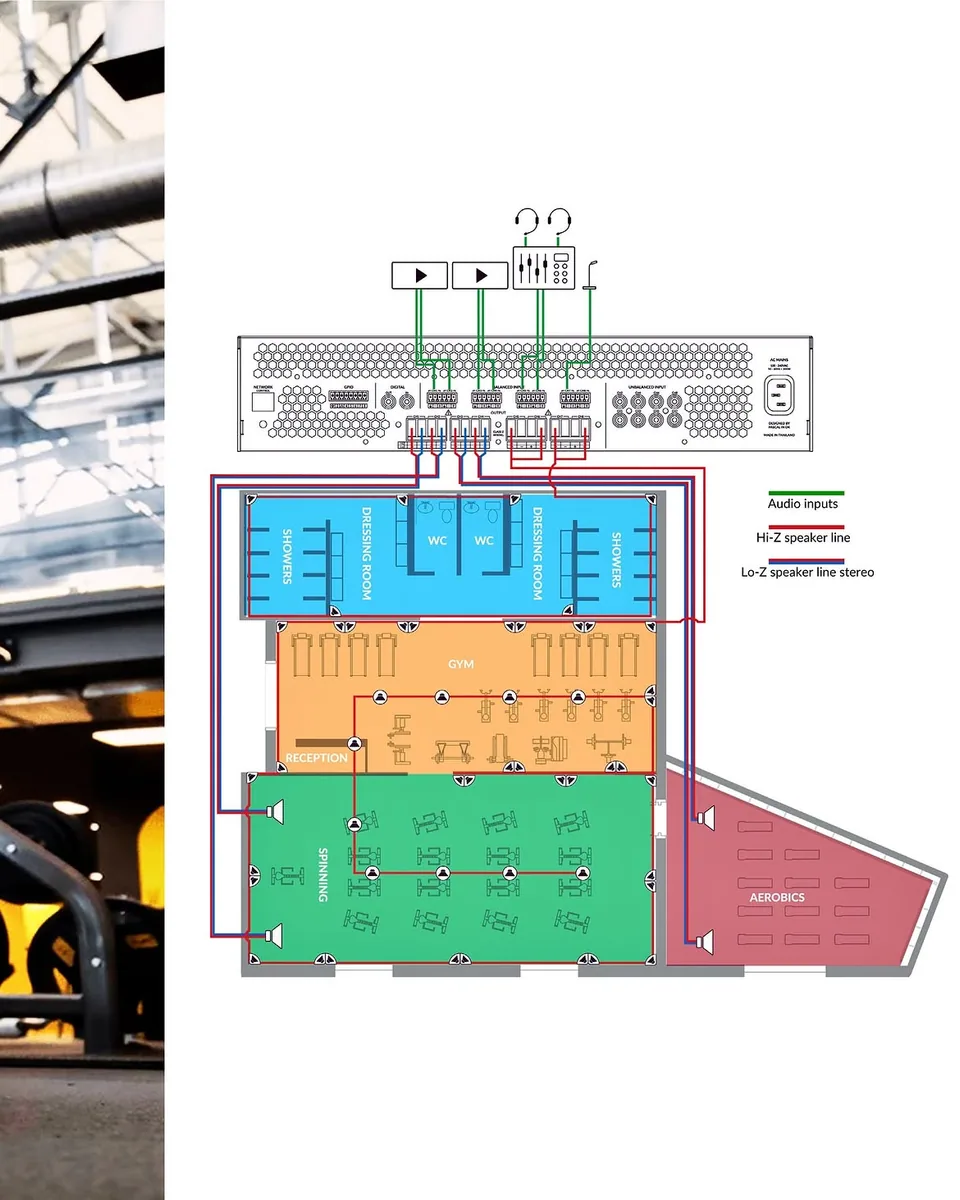
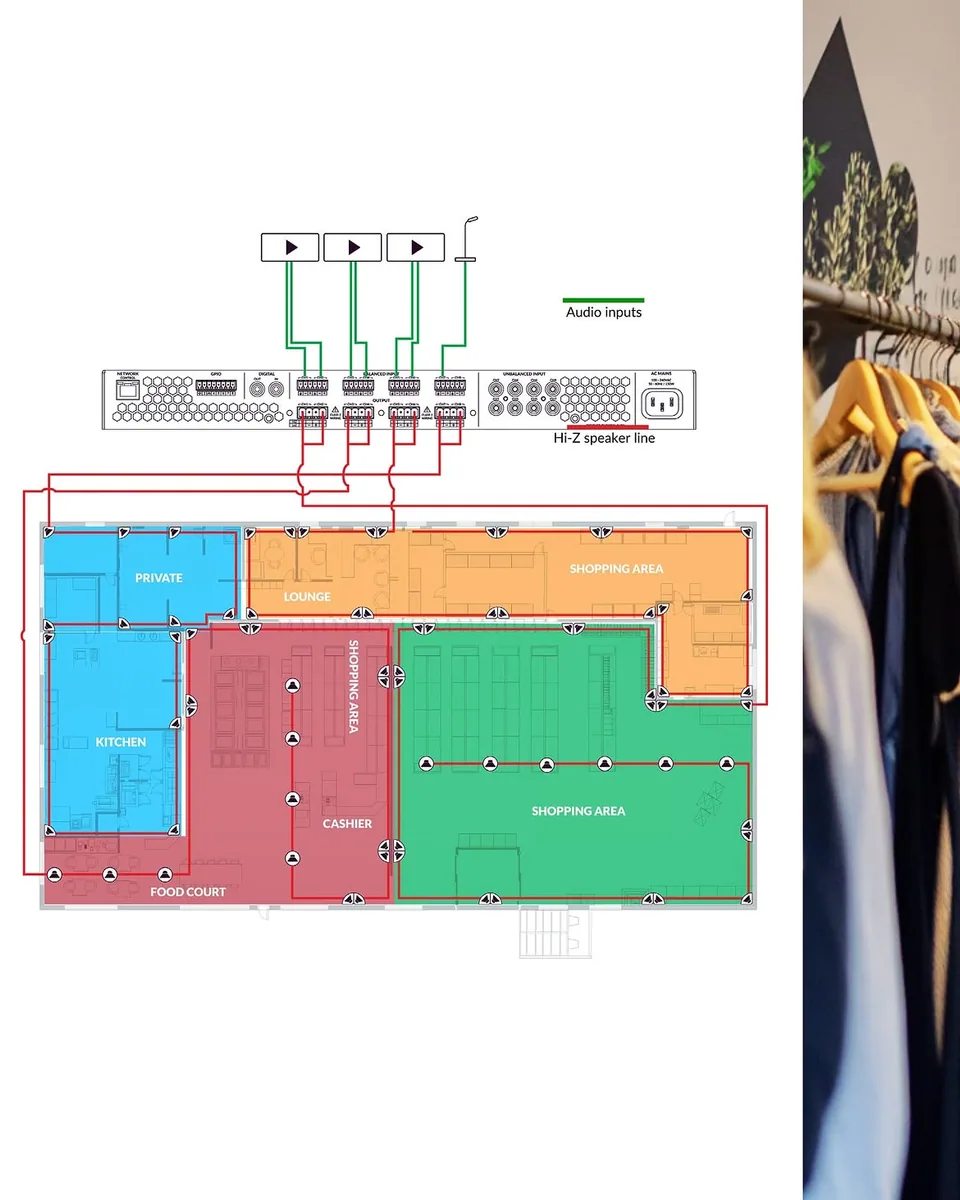
One of the main principles of a background sound system is dividing the space into zones. A zone is an area whose sound can be controlled independently. For example, a restaurant might have separate zones for the main dining room, bar, terrace, VIP room, entrance and restrooms.
Zoning makes it possible to set different volume levels in different areas. Music on a terrace, for example, may be louder, while the level in an enclosed dining room can remain lower.
It is also possible to play one music source in one zone and another source elsewhere, such as Spotify, a TV, a microphone, a DJ system or another input. The more zones required, the more complex the system becomes and the higher the project cost may be.
Gallery


3. Loudspeakers should suit the interior
A good audio system should not only sound good; it should also complement the space visually. Large, conspicuous loudspeakers are not necessary for every project. Different types of loudspeakers are available:
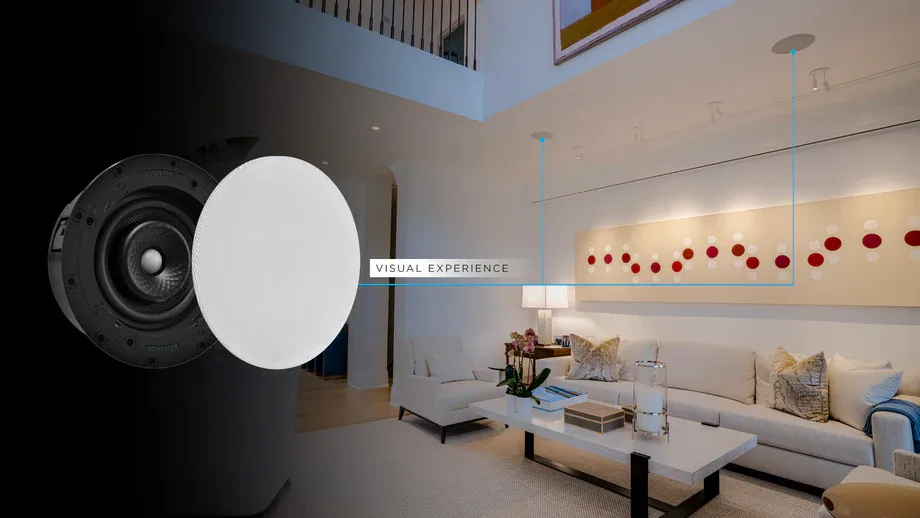
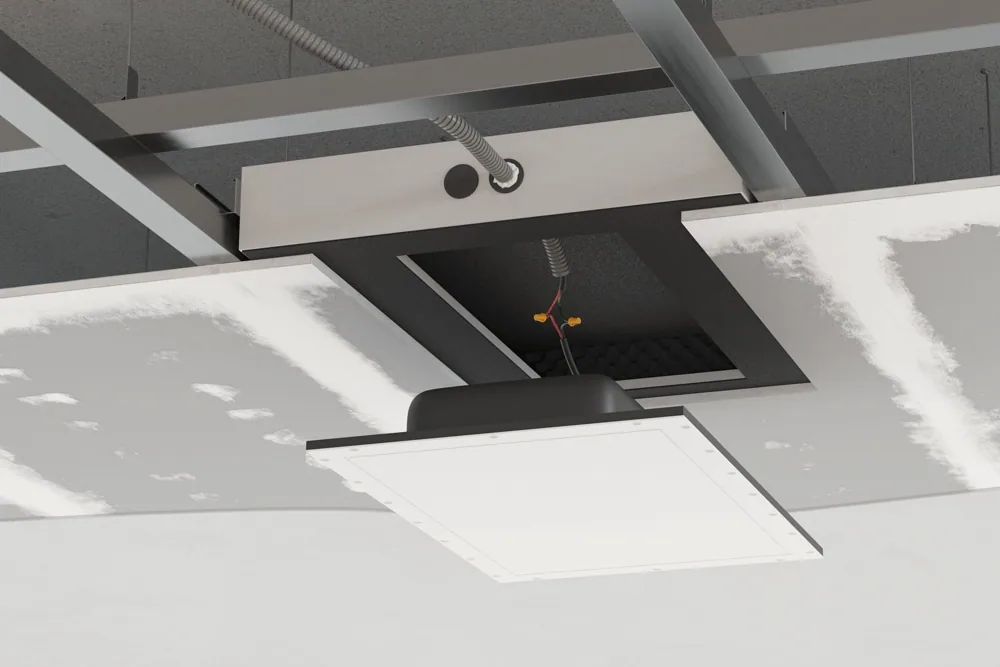
- Ceiling loudspeakers are a good choice for offices, hotels, restaurants and other spaces where equipment should be less visible.
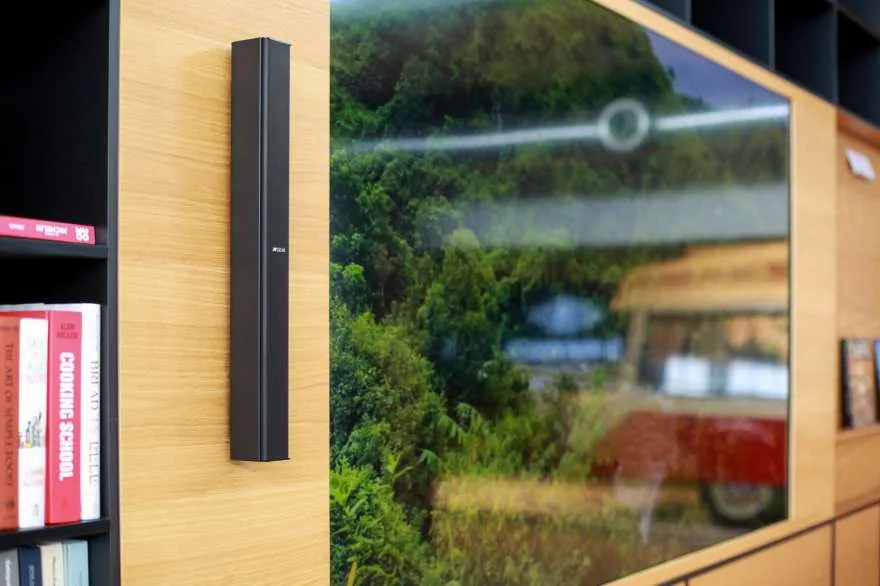
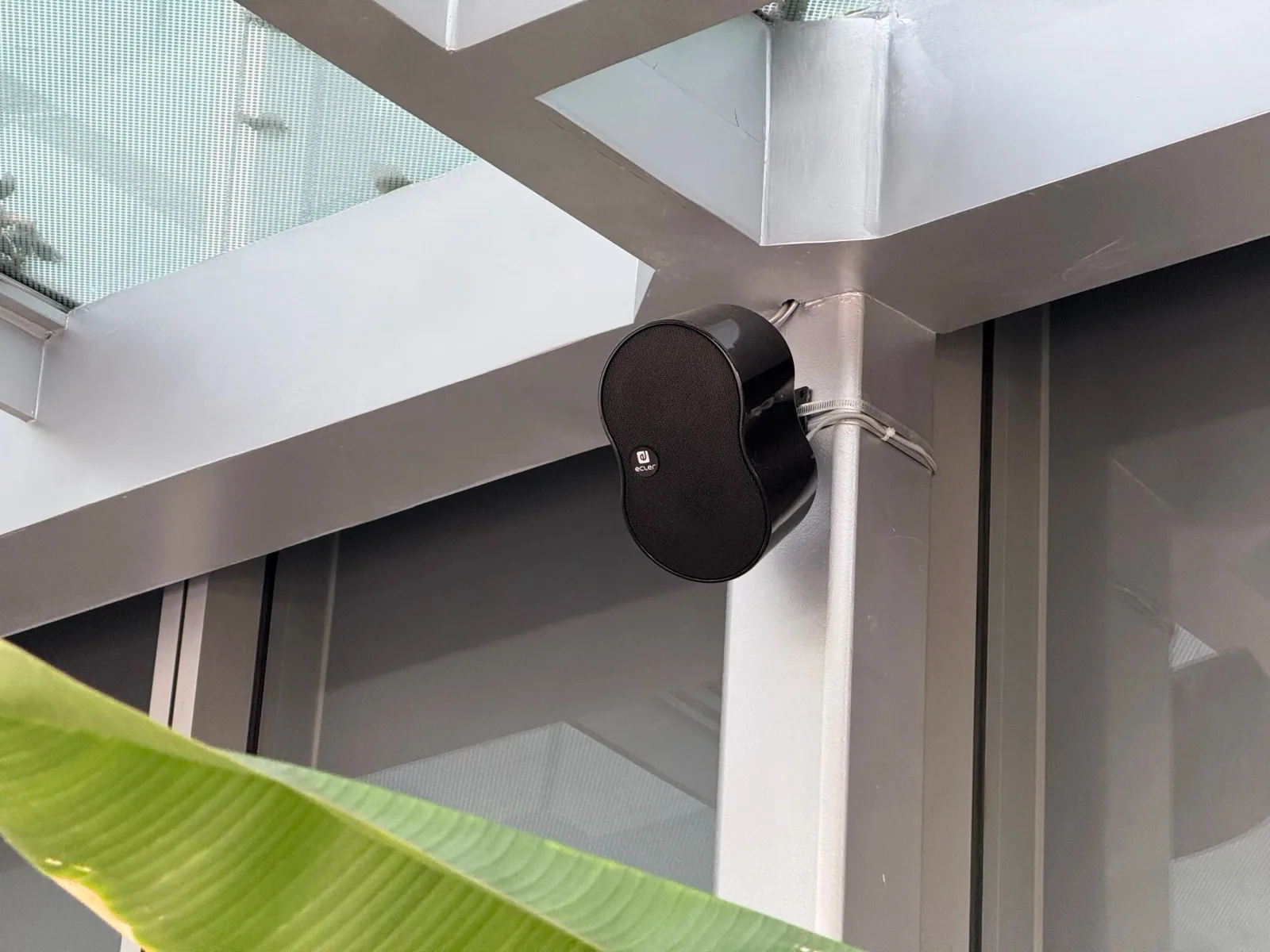
- Wall-mounted loudspeakers are used when ceiling installation is difficult or more directional sound is needed.
- Pendant loudspeakers are often used in high-ceiling spaces such as cafes, showrooms and commercial venues.
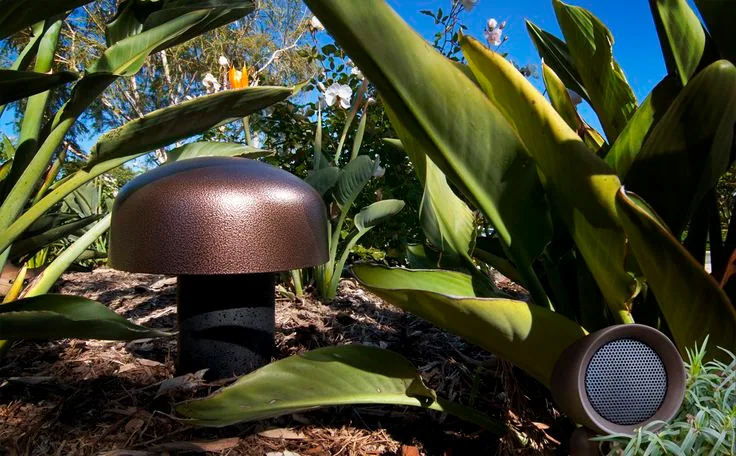
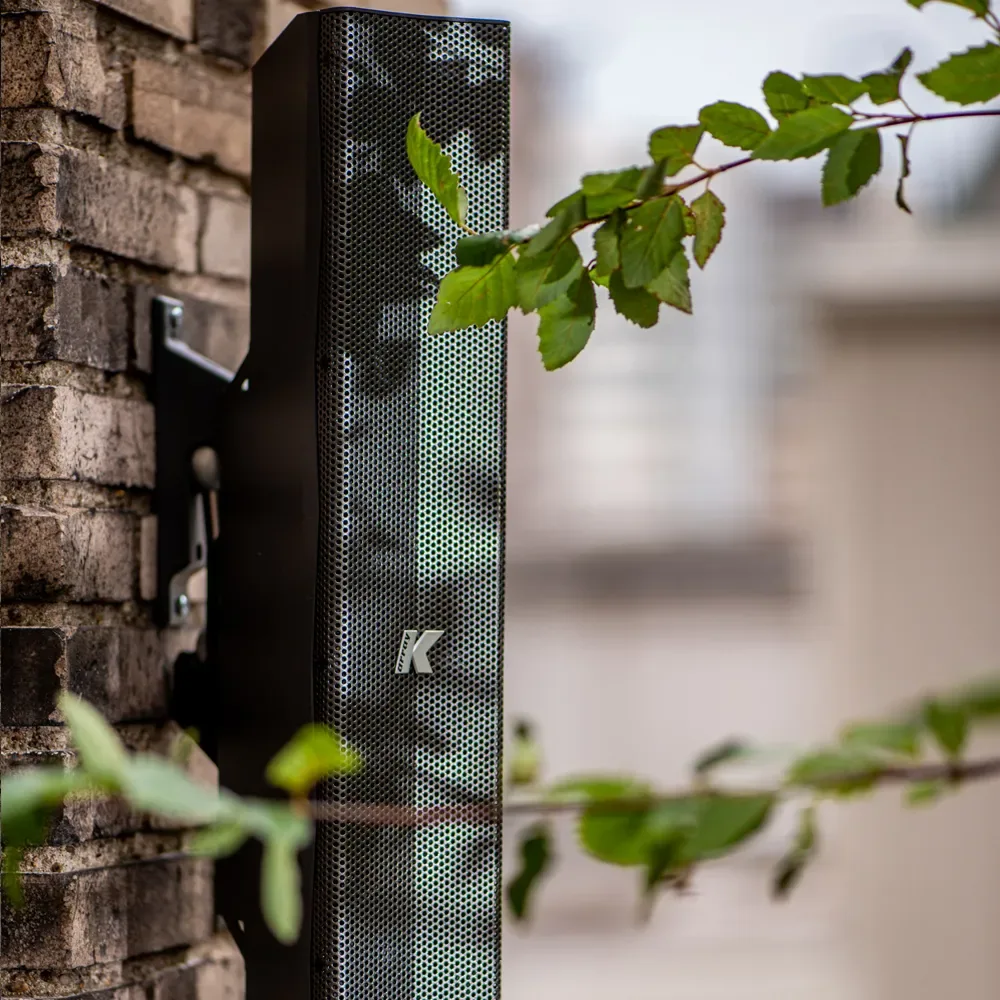
- Outdoor loudspeakers are designed for terraces, courtyards and open-air areas. They should have suitable protection against moisture and outdoor conditions.
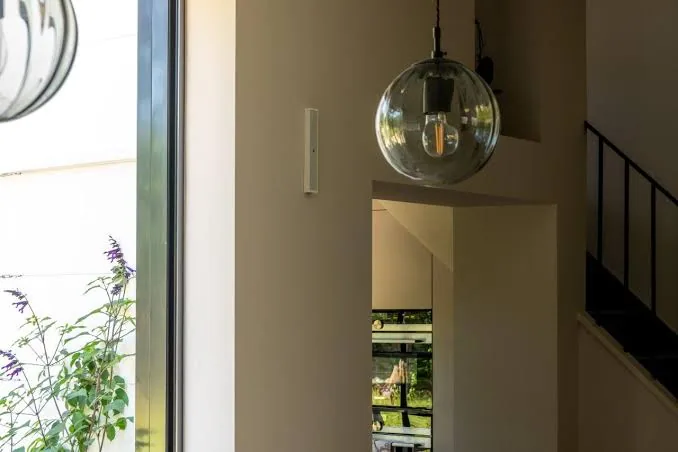
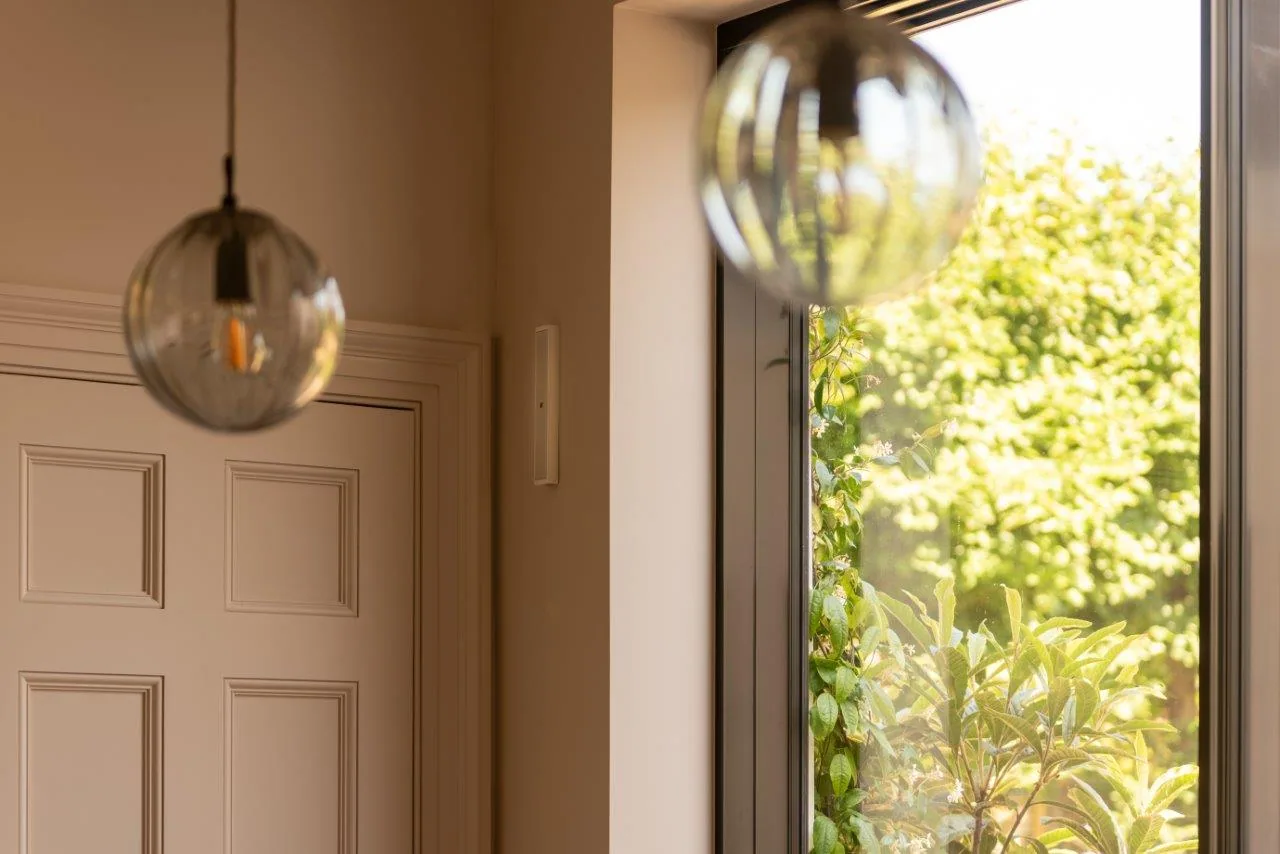
- Invisible or design loudspeakers are used in premium interiors where equipment should be concealed as much as possible.
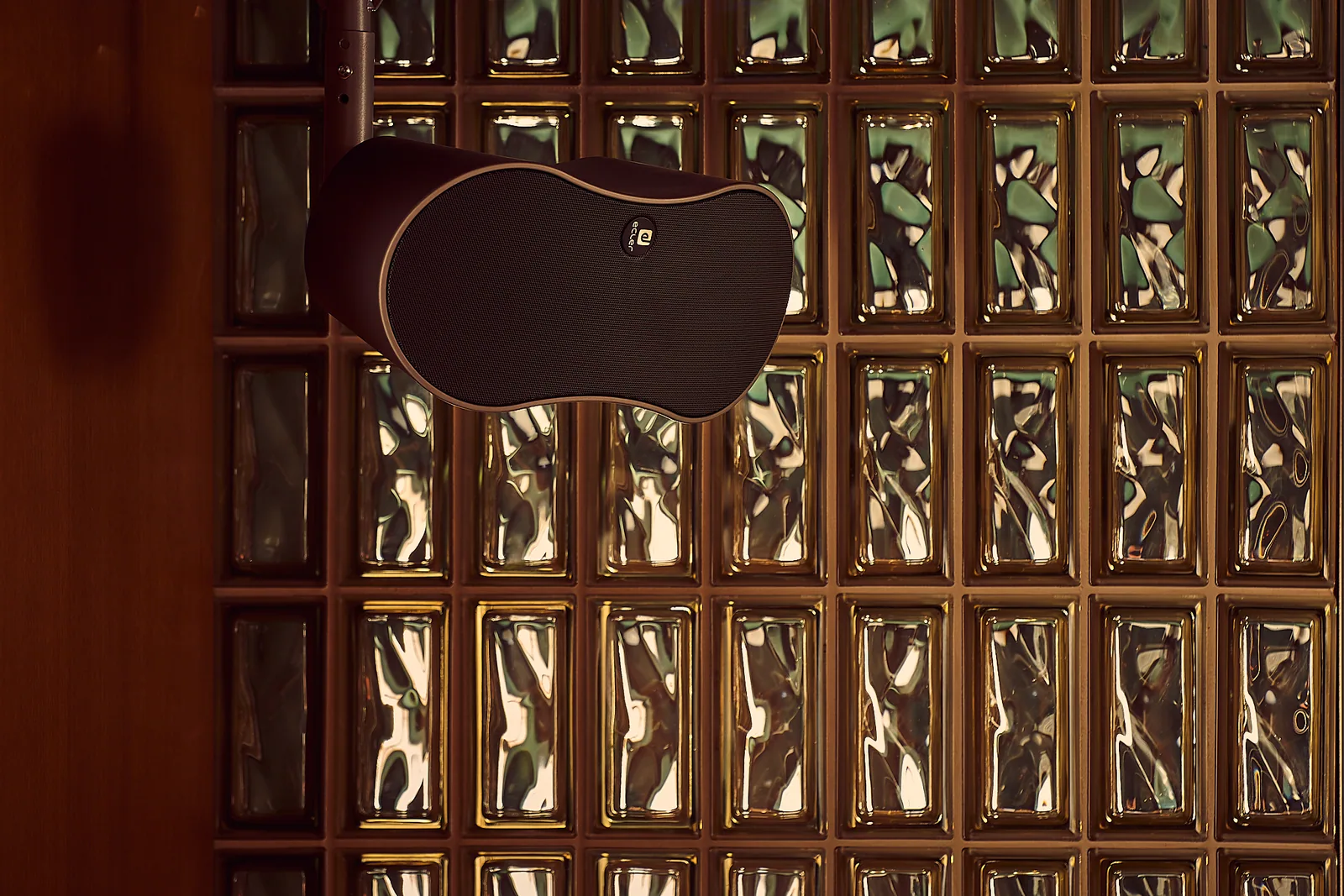
When choosing a loudspeaker, its colour, shape, size and mounting location matter just as much as its sound.
4. Sound quality and even coverage
The main goal of background music is not to create a high volume. It is to distribute sound evenly through a space and create a comfortable environment. With a poorly designed system, music can be too loud in one area and barely audible elsewhere. This makes the space less comfortable for both guests and staff.
With proper system design, loudspeakers are positioned to provide even, soft and pleasant sound throughout the space. Background music should not cover conversation or cause listening fatigue.
5. Control: tablet, phone or analogue?
A background sound system should be easy to use in everyday operation. Users should not need technical knowledge to adjust the volume or change the music source. There are several control options:
- Analogue control is a simple and practical solution for smaller spaces. A wall-mounted volume controller lets users easily turn the sound in a particular zone up or down.
- Control by tablet or phone is more convenient for multi-zone properties. Users can select zones, adjust volume, change the music source and, when needed, switch off a specific zone.
- A central control system is used in more complex projects, where the audio system may be integrated with lighting, curtains, screens or other building systems.
Above all, the system should be intuitive. An administrator or staff member should be able to operate it every day without unnecessary technical assistance.
What determines the cost of a background sound system?
The cost of a background sound system cannot be set as one fixed amount because every space has different requirements. The price depends not only on the number of loudspeakers, but also on the system's functionality, quality and installation complexity.
The main cost factors are:
- Size of the space;
- Number of zones;
- Type of loudspeakers;
- Amplifier power;
- Audio processor or matrix;
- Control system;
- Complexity of cabling;
- Number of indoor and outdoor areas;
- Selected brand;
- Installation conditions.
A simple background sound system may consist of several loudspeakers and one amplifier. More complex projects may require multiple zones, independent control, networked audio, microphone integration, connection to a DJ system or tablet-based control.
As a guideline, a simple, single-zone background sound system for a small space, such as a small shop, salon, cafe or office, starts at approximately GEL 2,500–6,000.
For medium-sized properties that require several zones, more loudspeakers, independent volume control and a higher-grade amplifier, the budget typically ranges from GEL 6,000 to 18,000.
For larger projects, such as restaurants, hotels, multi-storey offices or venues with terraces, where tablet control and different music in different zones are needed, costs start at GEL 18,000.
For premium systems where audio is integrated with lighting, curtains, screens or a central control system, the price is determined individually. These figures are indicative. The final cost depends on a site assessment, the technical brief and the required functionality.
Why is advance planning important?
A background sound system is best planned during renovation or interior design. This makes it possible to route cables correctly, choose the best loudspeaker locations and conceal equipment as much as possible. If installation is planned later, system design is still essential. Proper planning helps avoid unnecessary costs, incorrectly selected equipment and uneven sound coverage.
A well-designed system can also be expanded easily in the future. New zones, additional loudspeakers or a more advanced control system can be added as needed.
If you are planning a new space or an upgrade to an existing system, Fresnel can help you choose the right solution.
Our team will assess the characteristics of the space and design an audio system around your needs. We will select a technical solution that provides high-quality sound, simple control and reliable operation for years to come.
Installation examples