Acoustics
Acoustic engineering for any project – precise measurements and individually tailored solutions.
Acoustic Solutions for Different Spaces
Acoustic engineering for any project – precise measurements and individually tailored solutions.
Concert Halls & Auditoriums
Precise acoustics for ideal sound reproduction and clear speech perception.
Corporate Meeting Spaces
Acoustic solutions to ensure clear communication and confidentiality.
Educational Institutions
Classroom and auditorium acoustics to enhance the learning process.
Home Cinema
Integrated acoustic design for perfect sound reception.
Acoustic Engineering Solutions
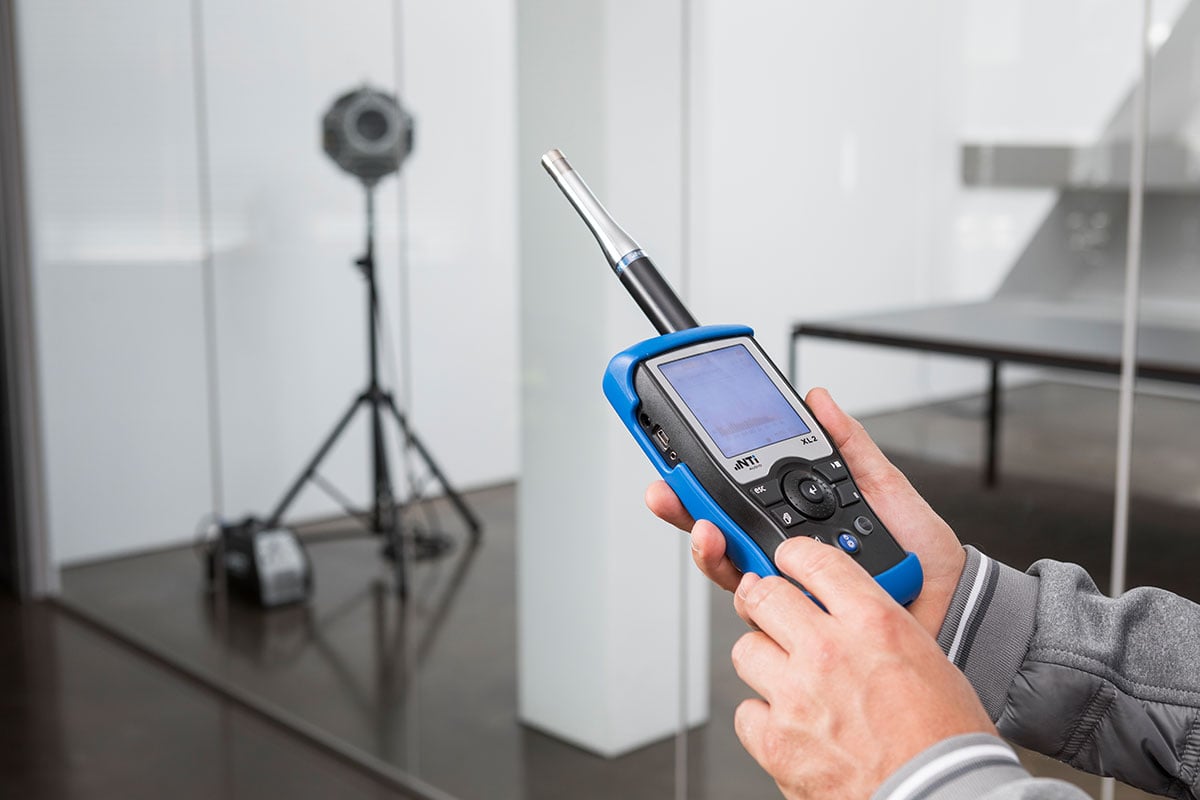
Acoustic Measurements & Analysis
Acoustic assessment identifies how sound behaves in the space. Measurement methods, instrument accuracy, locations and reporting are agreed for the project; calibrated equipment and the relevant standard methodology are used where required.
- Precise sound level measurement with calibrated microphones
- Frequency spectrum analysis (RTA)
- Reverberation time (RT60) assessment and optimisation
- Sound insulation performance (STC, IIC) testing
- Background and engineering systems (HVAC) noise assessment
- Speech intelligibility (STI) analysis
- Reporting against the agreed project criteria
Acoustic Panels & Treatment
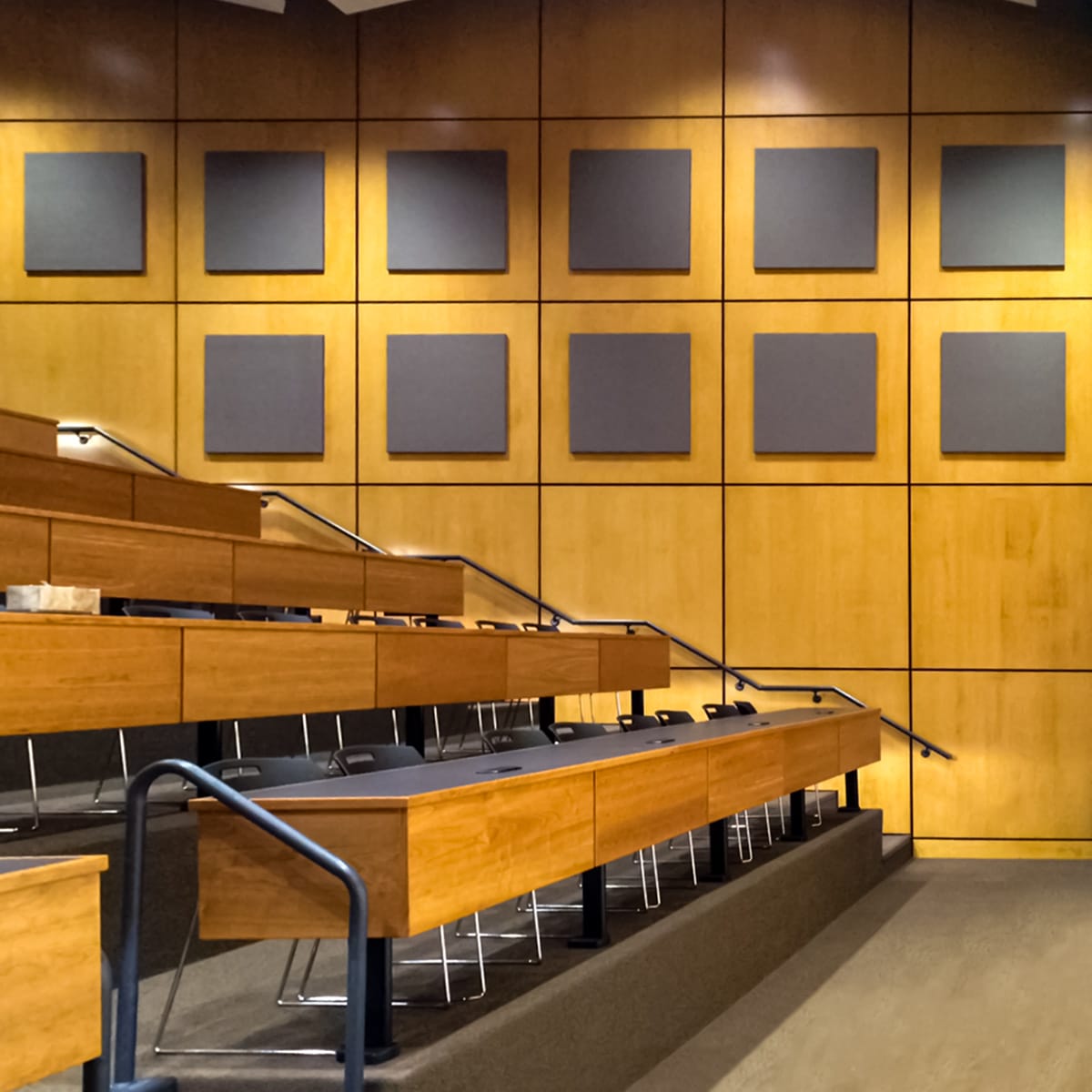
An effective acoustic environment is achieved through correctly selected materials and treatment. Acoustic solutions include absorption panels, diffusers and specialised materials that reduce reverberation, eliminate unwanted reflections and improve the overall sound of the space. At the same time, they preserve and enhance the interior aesthetics, allowing functionality and design to blend harmoniously.
- Fabric-wrapped fiberglass absorption panels
- Perforated wood and metal acoustic panels
- Bass traps for low-frequency control
- Ceiling and wall acoustic systems
- Custom-made decorative panels
- Product-specific fire reaction and emissions documentation checked for the project
Architectural Acoustic Design
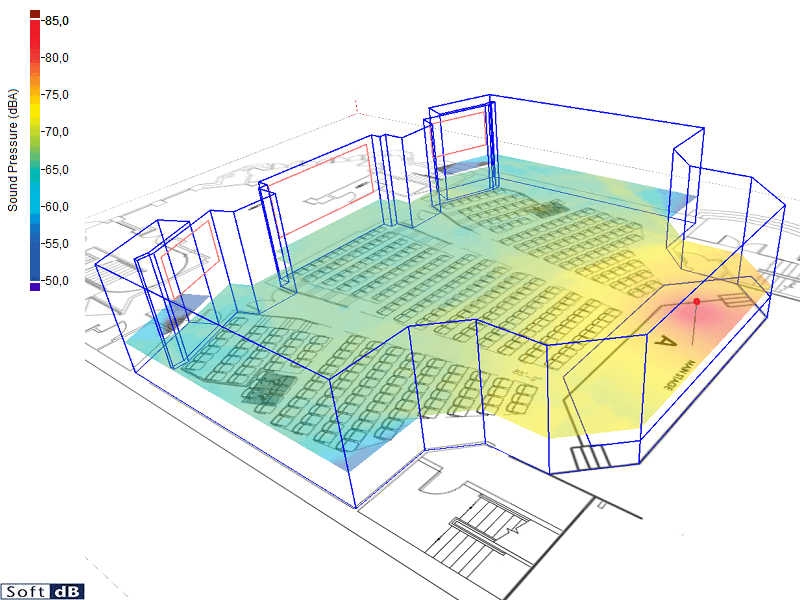
Room acoustics is one of the critical factors that determines functionality and comfort. Architectural acoustic design combines technical precision, aesthetics and the purpose of the space to create an environment that is equally effective for listening and use. The process involves integrated work with the architectural team from concept to completion, ensuring acoustic solutions blend naturally into the overall design.
- 3D acoustic modelling and simulations for predictable results
- Room acoustics optimisation for speech and music
- HVAC and mechanical systems noise control
- Natural ventilation acoustic strategies
- Selection of materials and acoustic solutions at design stage
- Acoustic supervision during implementation
Movable Acoustic Partitions
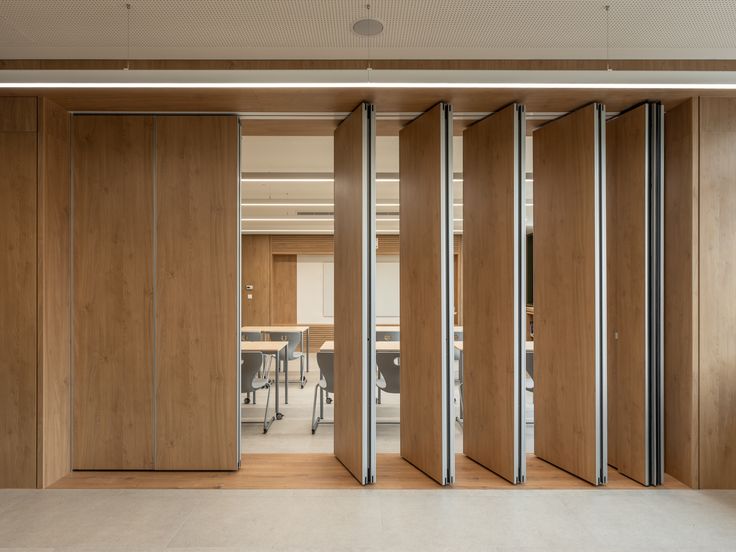
Movable acoustic partitions provide both sound insulation and the ability to divide spaces into separate rooms. Partition systems are used in conference halls, hotels, educational institutions, and cultural centres — spaces where rapid reconfiguration and effective acoustic separation are simultaneously required.
- Acoustic performance supported by the selected system's test report
- Support structure coordinated with the building design
- Height and weight checked for the selected configuration
- Fire performance checked against the applicable product documentation
- Wide range of finish materials
- High-quality rail systems
Acoustic Booths
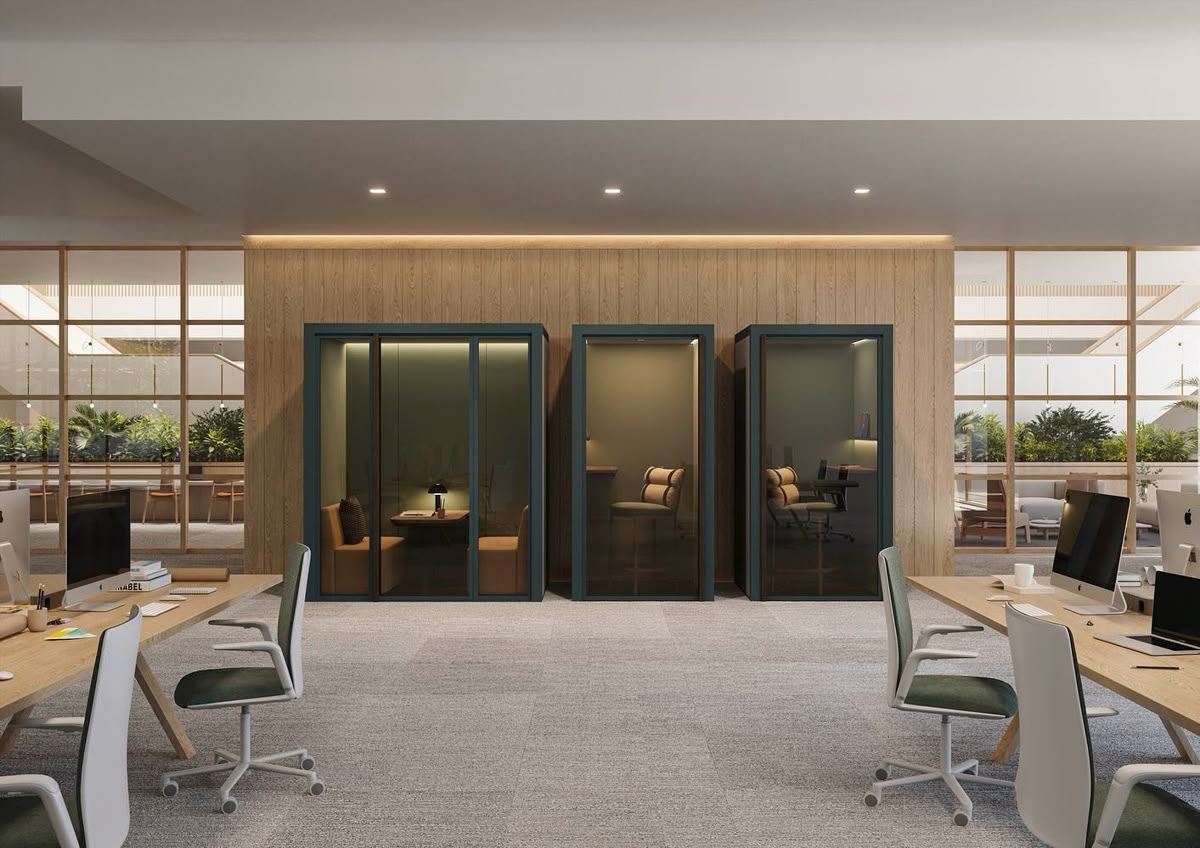
Acoustic booths can support calls, video meetings, focused work or small meetings. Performance depends on the model, sealing, ventilation, background noise and test method. Dimensions, access, ventilation and installation requirements are assessed before selection.
- Acoustic performance checked against the manufacturer's test report
- Ventilation and lighting according to the selected model
- Power and USB connections according to requirements
- Furniture and video meeting equipment integration
- Assembly and relocation conditions assessed
- Capacity and finishes according to the selected model
How an acoustic solution is created
Acoustic project stages
An effective solution starts with correctly defining the goal and concludes not only with installation but also with verifying the result.
Consultation and initial data
We collect space plans, purpose, number of users, description of existing problems, architectural constraints, and desired result.
On-site inspection and measurement
As needed, we evaluate room geometry, surfaces, noise sources, and the existing sound environment. The volume of measurement is agreed upon in advance.
Design and specification
We define target metrics, materials, structures, quantities, layout, and installation details. If necessary, we prepare a model or simulation.
Installation and coordination
We install agreed-upon systems and facilitate coordination tasks with architectural, engineering, and AV components.
Testing and handover
We visually inspect the execution, conduct follow-up measurements if necessary, and compare the result to the project's agreed criteria. We provide the client with the provided documentation.
Technical support and updates
Technical support and acoustic system updates
Changes in space function, furniture, partitions, ceilings, or engineering systems can also affect acoustic results. In such cases, it is possible to re-evaluate the existing condition and adjust materials, layout, or structural details.
Service may include inspection of panels and mounts, adjustment of operable partitions, checking acoustic booth components, additional measurements, and update recommendations. The exact scope is determined according to the system and service agreement.
Sound Designed for the Space
Acoustic design considers room geometry, surfaces, background noise, sound isolation, audio systems and the intended use of the space. The solution is designed and checked against the agreed project criteria.
Frequently asked questions about acoustics
Acoustic treatment controls reverberation and reflections within a room. Sound isolation reduces sound transmission between different spaces and often requires joint solutions for walls, ceilings, floors, doors, gaps, and engineering ducts.
The quantity depends on room volume, surfaces, purpose, existing reverberation, panel data, and target result. Accurate selection is made through assessment or calculation and not just based on the room's area.
RT60 is the time that describes the reduction of sound energy levels by approximately 60 decibels after the source has stopped. In practical measurement, the value is calculated from the relevant decay segment. The desired value depends on the space's purpose and volume.
NRC is a laboratory-derived single-number metric that summarizes the average sound absorption property at certain frequencies. It does not describe complete frequency behavior and should be considered alongside product thickness and mounting conditions.
Usually, no. The panel mostly reduces reflections inside the room. To reduce sound between rooms, it is necessary to evaluate the dividing structure, door, ceiling, gaps, and flanking transmission paths.
Both are single-number ratings for airborne sound isolation, but they are based on different standard methods and assessment rules. They are not automatically interchangeable; the request must indicate the relevant method and complete construction.
No. In small and typical spaces, initial assessment and calculation may be sufficient. Measurement is particularly useful in complex spaces, for diagnosing existing problems, or when objective confirmation of the result is required.
Yes. It is possible to select different shapes, sizes, colors, and finishes, although the visual solution must be maintained alongside the product's acoustic, mounting, maintenance, and fire safety requirements.
Yes. Services may include consultation, measurement, acoustic design, material and system selection, installation, follow-up verification, and agreed-upon technical support.
Plan Your Space's Acoustic Solution
Send your space plan or photos, intended use, the problem you want to address and your desired outcome. We will help define assessment, design, materials, installation and verification.