Lighting Systems
Lighting solutions designed for your space, activities and control requirements.
Professional Lighting Design Services
From architectural accent lighting to smart automation systems, we specialize in four core lighting design areas that transform spaces and enhance experiences.
Architectural Lighting Design
Dynamic LED lighting enhances architectural elements and creates impressive visual environments in any space
Stage & Performance Lighting
Professional stage lighting with advanced control systems designed for theaters, concert halls, and live performance venues
Conference Room Lighting
Intelligent lighting systems optimized for video conferencing, presentations, and meetings that maximize comfort and visual quality
Smart Home & Office Lighting
Automated lighting control integrated with smart building systems for residential and commercial spaces
Advanced Lighting Technology Solutions
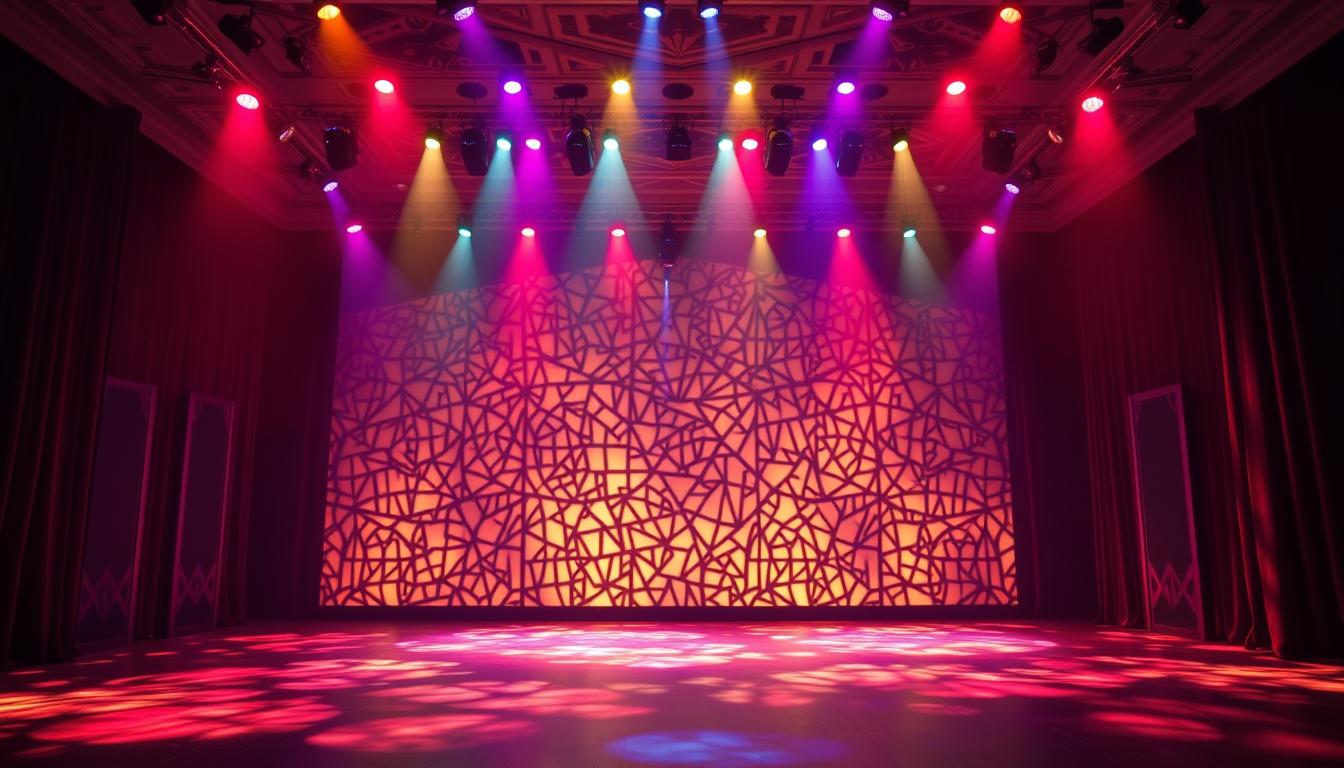
Concert and Theater Lighting
Stage lighting selected for the performance format, rigging positions, electrical infrastructure and operator requirements. Special effects are selected separately according to equipment compatibility and venue safety requirements.
- Fixed and moving LED fixtures
- Moving head, spot, wash and beam type fixtures
- Profile, Fresnel and warm fixtures for stage
- Color and dimming functions supported by the selected fixture
- Compatible effects selected separately for each project
- Venue safety and operating requirements considered
- Tablet or console control
- Professional lighting control system integration
LED Lighting Systems
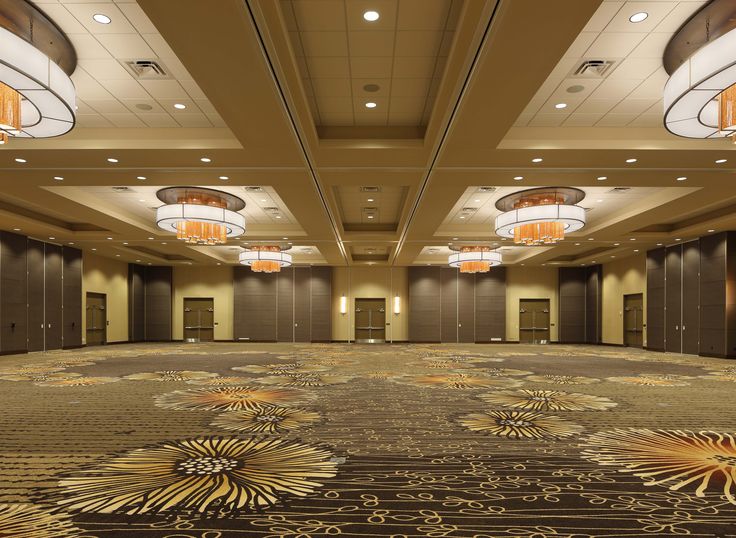
LED fixtures selected for output, beam angle, color temperature, color rendering, dimming and installation conditions. Camera compatibility is evaluated for the selected model and tested where needed.
- Fixed or adjustable color temperature according to the selected model
- White or color-mixing fixtures selected for the project
- Driver and dimming method selected for compatibility
- Camera and dimming requirements checked before installation
- Enclosure and protection appropriate for the environment
Lighting Control Systems
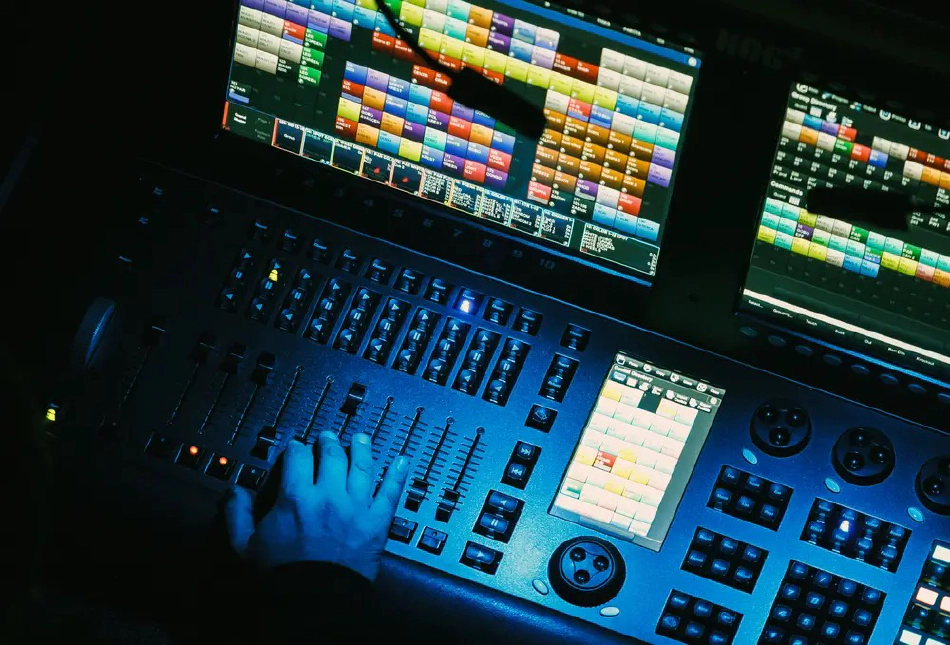
Advanced lighting control systems ensure precise lighting management, scene programming, scheduling, and integration with building automation systems.
- DMX512, Art-Net, DALI or another supported method selected for the project
- Scene preset programming and recall
- Time-based scheduling
- Occupancy and daylight sensors management
- Integration with AV and building management systems
Architectural Lighting
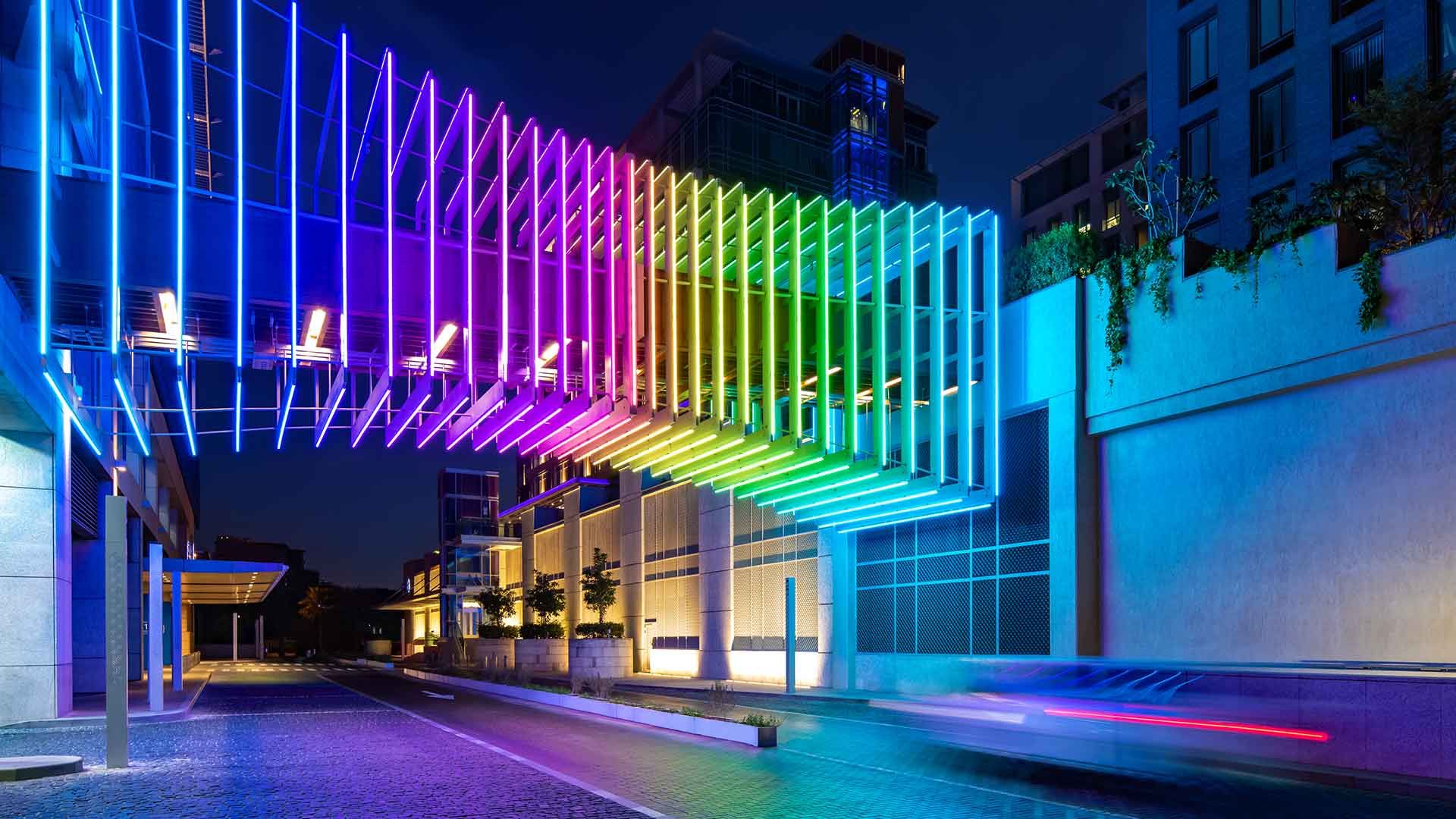
Complete integrated lighting systems that seamlessly complement interior design and provide functional, visually attractive illumination.
- Concealed architectural lighting fixtures
- Linear LED systems for continuous lighting
- Color-changing effects with compatible fixtures and controls
- Service access and replacement planning
Smart Lighting
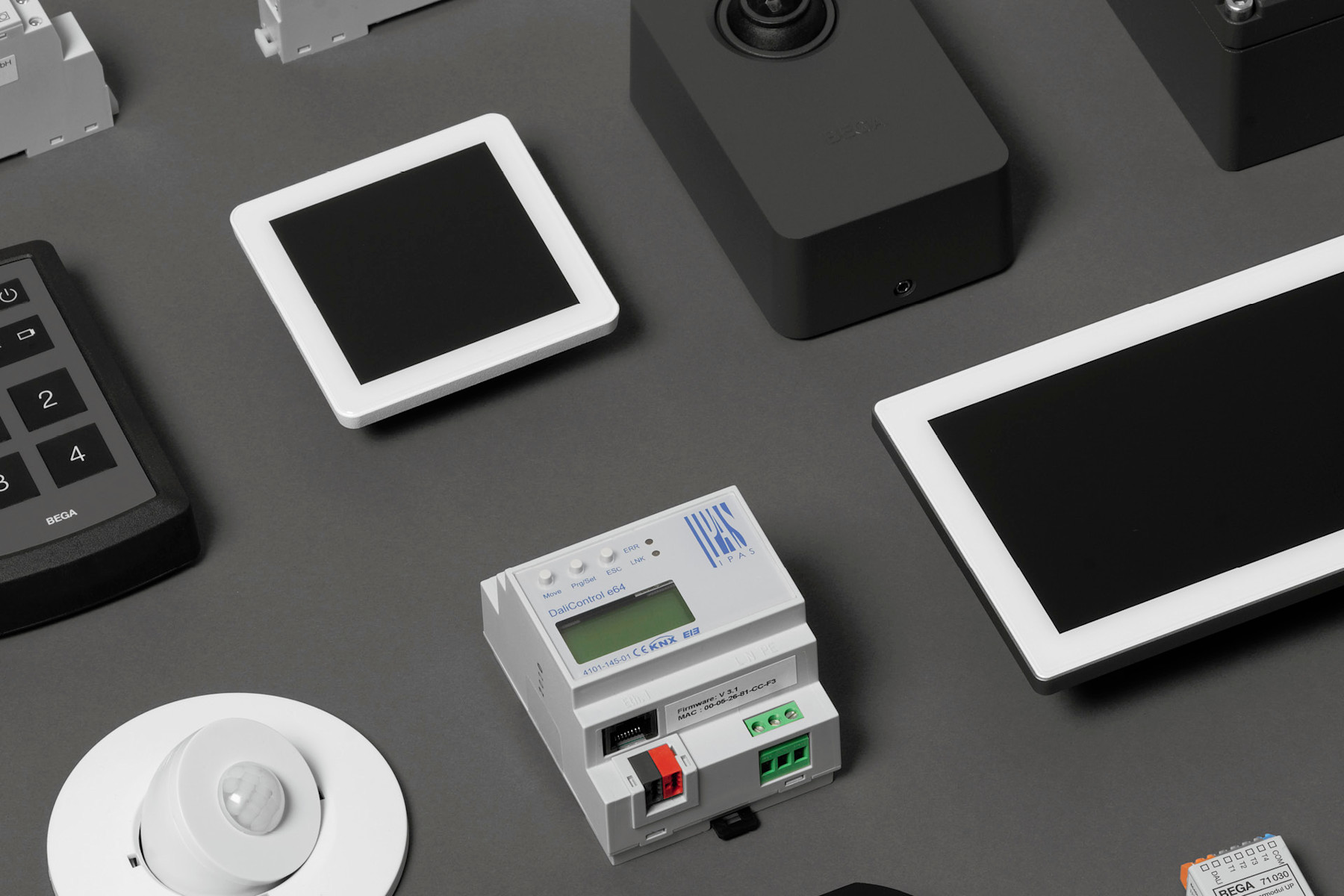
DALI control groups compatible devices into addresses, groups and scenes. Available control and status functions depend on the controller, control gear, sensors and supported parts of the standard.
- Adaptation to space occupancy and user needs
- Occupancy and daylight scenarios configured for actual use
- Pre-programmed scene creation and recall
- DALI addressing, grouping and status functions on compatible equipment
Design and Implementation of Lighting Systems
A lighting project should integrate the visual goal, space function, technical parameters, and maintenance conditions. Fresnel manages the process from task definition to installation, programming, and handover.
Assessment of Space and Task
We determine the space purpose, work zones, main elements of the stage or architecture, natural light, camera requirements, mounting points, and electrical infrastructure.
Lighting Concept and DIALux Calculation
We select the luminaire type, layout, beam angle, color temperature, color rendering, and control scenarios. In the DIALux model, using photometric data of the selected luminaires, we check the quantity, layout, illuminance level, and uniformity, and if necessary, compare several alternatives.
System and Control Design
We establish the architecture for power, dimming, DMX, DALI, or other control, cabling routes, controllers, sensors, and integration points.
Installation and Programming
We install agreed components, configure addresses and groups, create scenes, and connect supported control systems.
Focusing, Testing, and Handover
We check luminaire direction, dimming, color, scenes, sensor response, and operator interface. If provided for in the project, we measure illuminance on-site, compare results with calculations, provide training to the user, and deliver the agreed documentation.
Technical Support and System Updates
Lighting systems require periodic checks of luminaires, power supplies, cables, control components, and software scenarios. The volume of service is determined by the equipment, usage intensity, and service agreement.
System diagnostics, scene changes, compatibility assessment during luminaire replacement, updating DIALux calculations, changing DMX or DALI configuration, on-site focusing, and additional training for operators are possible.
Illuminating Possibilities
We select fixtures, placement and controls for the space, its activities and the requirements of the project.
Frequently Asked Questions About Lighting Systems
In the first stage, the purpose of the space, visual goal, work zones, control requirements, mounting conditions, and budget frame are defined. After this, luminaire types and system architecture are selected.
This is digital modeling of lighting that shows light distribution, illuminance level, and uniformity based on space dimensions, surfaces, and photometric data of specific luminaires.
DIALux provides a justified quantity and layout for the project, though the result depends on the accuracy of initial data, the luminaire's IES or LDT file, surface properties, and mounting conditions. When changing a luminaire model or optics, the calculation must also be updated.
It is desirable to have an architectural plan or exact dimensions, ceiling height, work zones, ceiling and wall materials, desired atmosphere, control requirements, and, if already selected, the luminaire model.
Depending on the agreed volume, the report may include a luminaire layout plan, control surface results, false-color maps, 3D views, and a list of luminaires.
Working lighting provides the visibility necessary for specific activities. Accent lighting highlights an object or architectural element, while decorative lighting itself can be a visual part of the interior.
Color temperature in Kelvin describes the visual tone of white light. The necessary value is selected based on the space purpose, materials, other luminaires, and camera requirements.
No. DALI is useful for addressable digital control, but for small or other types of projects, a relay, 0/1–10 V, DMX, or other supported method might be more suitable.
DMX512 defines data transmission for stage lighting control on a corresponding physical connection. Art-Net is one of the protocols for transmitting this type of data via an IP network. Use depends on device support and network design.
Yes, with a compatible system, it is possible to use occupancy, motion, or daylight sensors. Their placement, time delays, and rules of operation must be adjusted according to the real usage of the space.
Light direction, illuminance, color rendering, color temperature, dimming behavior, and potential flicker with the camera are important. Parameters are verified according to the combination of specific luminaires and cameras.
Yes. Services may include design, selection of devices, installation, control programming, scene setup, testing, user training, and agreed ongoing support.
Plan Your Space's Lighting System
Send us your space plan or photos, dimensions and control requirements to discuss your lighting project.